From Ideas to Action
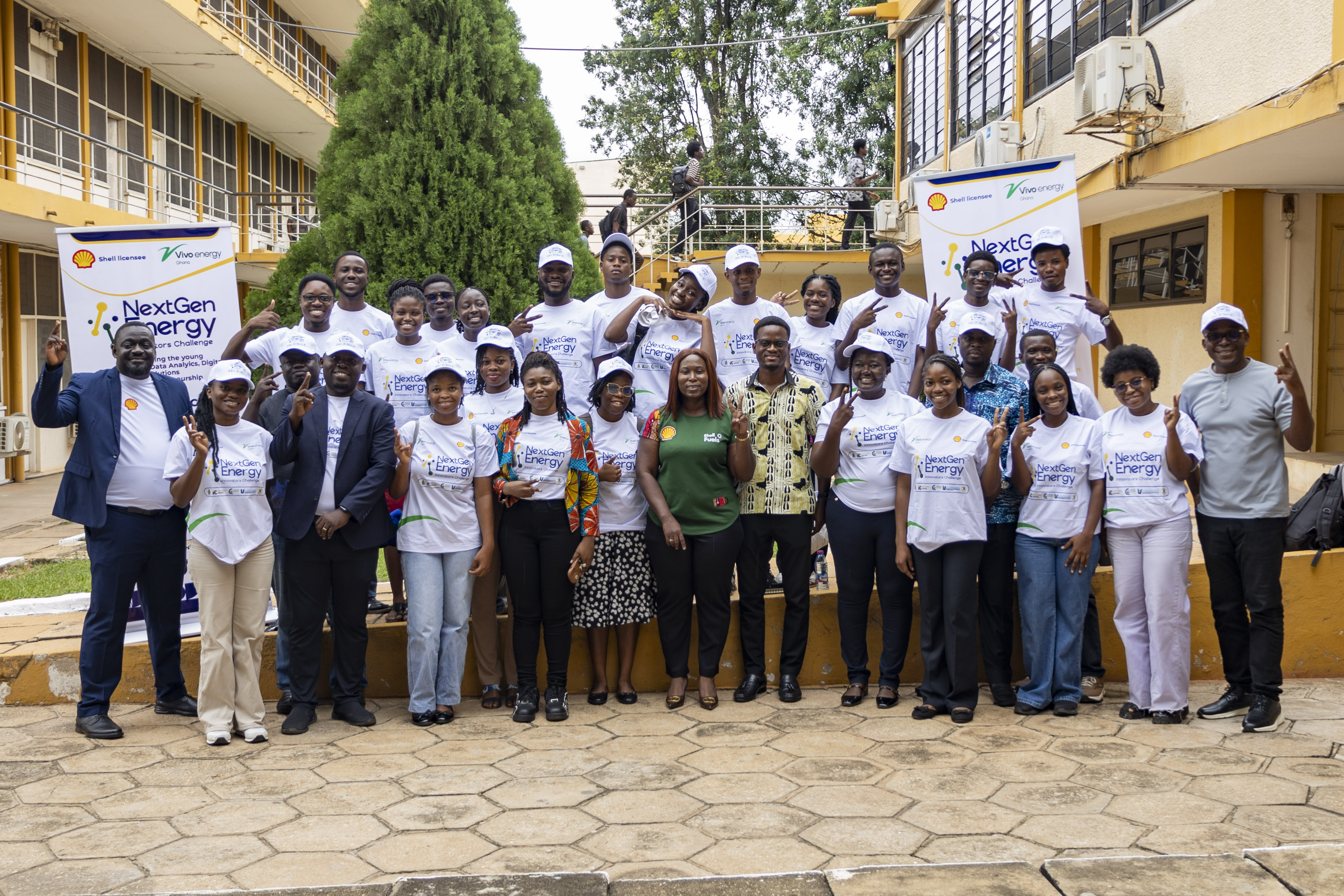
The NextGen Energy Innovators Challenge 2026 has entered its most hands-on stage yet. On May 28, KNUST and Vivo Energy Ghana (Shell Licensee) brought together six student teams, their faculty mentors, and industry partners for a kick-off meeting that officially launched the pre-pitching phase of the competition.
What followed was a morning of bold ideas, practical ambition, and the kind of energy you only find when young innovators get the chance to solve problems they actually care about.
The Six Teams and Their Innovations
Each of the selected teams presented concepts targeting real pain points in Ghana's energy and fuel retail sector. Here is what they brought to the table:
Smart Fuel Forecourt Management (Richmond Owusu Agyei, Franklina Arhinful, Veronica Ngmalbini Nakol | Mentor: Dr. Oliver Kornyo) pitched an integrated digital management system for filling stations. Their platform combines point-of-sale, inventory monitoring, and reporting into a single dashboard designed to cut manual errors and improve customer experience at the pump.
Gaiaseal (Regimanuel Akuetteh, Vida Adasi Birago, Esther Frimpong | Mentor: Dr. Patrick Boakye) introduced a bio-based corrosion inhibitor for tank and facility coatings. Their innovation replaces toxic chemical alternatives with environmentally friendly materials that extend infrastructure lifespan while reducing environmental risk.
Fuel Quality Analyser (Rimond Mensah, Kwasi Owusu Henaku, Kobi Apem Afriyie | Mentor: Dr. Emmanuella Kwao-Boateng) showcased a portable device for on-site fuel quality testing. Instead of waiting days for lab results, their analyser detects adulteration and contamination in real time, giving regulators, distributors, and retailers an immediate quality check.
Auto-pump (Abdul-Mumin Tahiru, Emmanuella Agyiriba Frimpong, Nartey Princessa | Mentor: Dr. Caspar Daniel Adenutsi) unveiled a fully automated fuel station solution covering everything from dispensing to reconciliation. The goal: minimize fraud, lower operational costs, and deliver a seamless self-service fuelling experience.
AquaSep (Clenda Achiaa Owusu, Juanita Da Pilma, Lucas Biiyin | Mentor: Dr. Elvis Twumasi) presented an underground system that separates water from fuel in storage tanks. Fuel contamination causes engine damage and operational losses, and this team believes their solution can help retailers and storage operators cut maintenance costs significantly.
Nextfill (Ayisha Barihama, Clara Seyram Agbekey, Zahid Anaayele Musah | Mentor: Dr. Jude Bonsu) proposed a digital forecourt management platform focused on real-time monitoring, sales tracking, and operational insights. Their system is built to reduce leakages, improve efficiency, and give filling station operators data they can actually act on.
| Team | Concept Focus | Mentor |
|---|---|---|
| Smart Fuel Forecourt Management | Digital filling station management | Dr. Oliver Kornyo |
| Gaiaseal | Bio-based corrosion inhibitor | Dr. Patrick Boakye |
| Fuel Quality Analyser | Portable fuel testing device | Dr. Emmanuella Kwao-Boateng |
| Auto-pump | Automated fuel dispensing system | Dr. Caspar Daniel Adenutsi |
| AquaSep | Water-fuel separation system | Dr. Elvis Twumasi |
| Nextfill | Digital forecourt monitoring platform | Dr. Jude Bonsu |
Vivo Energy's Commitment to Innovation
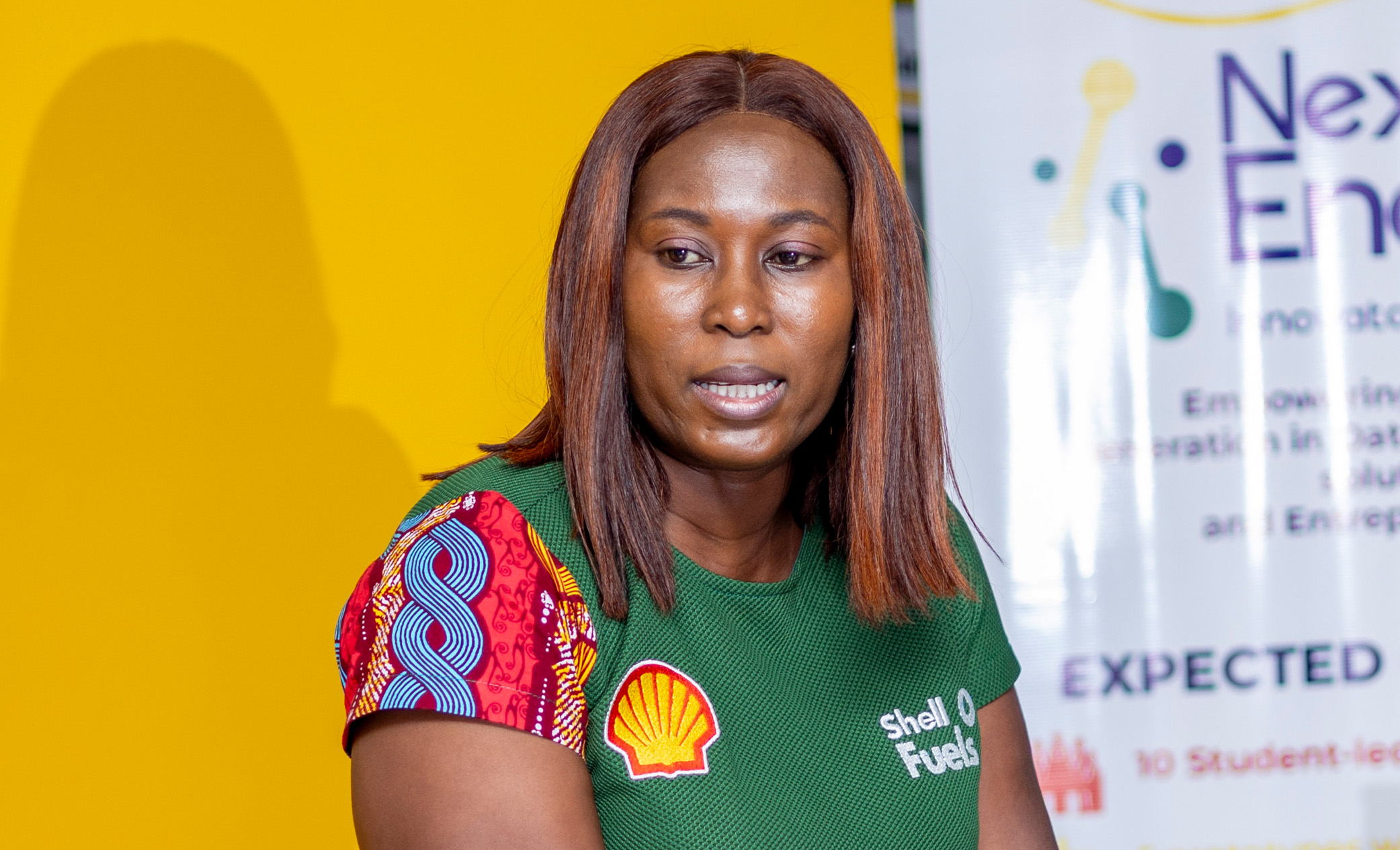
Shirley Tony Kum, Corporate Communications Manager of Vivo Energy Ghana, spoke about the company's long-term investment in youth and innovation.
"At Vivo Energy Ghana, our vision is to become Africa's leading and most respected energy business," she said. "Achieving this vision means investing in people, supporting innovation and creating opportunities for the next generation to develop solutions that will transform our communities and continent."
She highlighted that the challenge sits squarely within the growing importance of STEM education as a driver of innovation, sustainability, and economic transformation across the continent. Her message to the teams was straightforward: stay confident in your ideas and keep building.
Ten Weeks of Structured Training
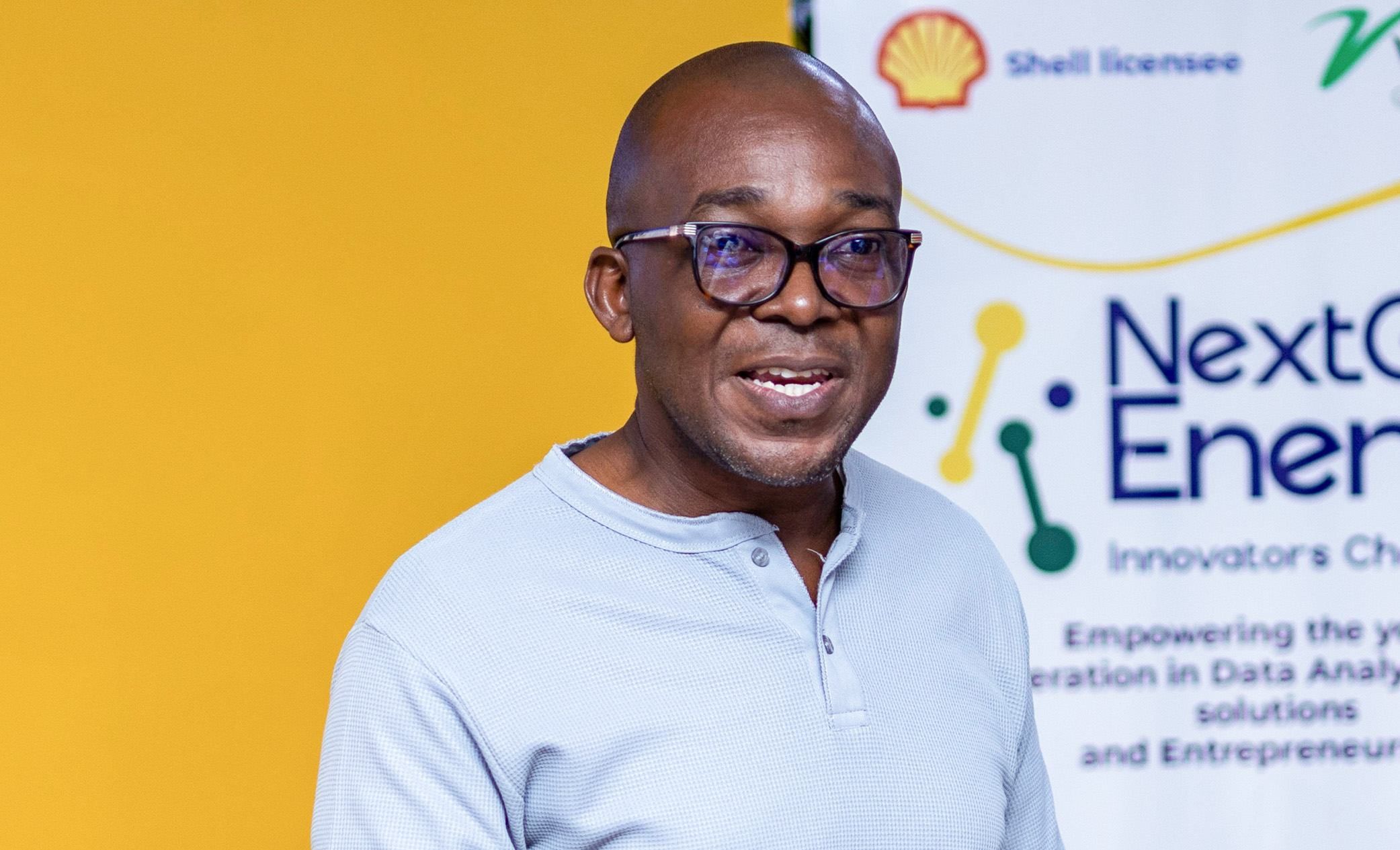
Innovation Manager Mr. Makafui Bedzrah outlined the roadmap ahead. The programme runs throughout the semester, with participants taking on six training modules spread across ten weeks. These modules cover:
- Design thinking
- Pitching and presentation skills
- Business model development
- Financial modelling using Microsoft Excel and Power BI
- Intellectual property
- Customer experience management
The structure is intentional. Bedzrah explained that the schedule has been carefully designed so that students can balance their academic responsibilities while gaining practical entrepreneurial and technical skills. This is not a sprint but a sustained learning experience built around real-world application.
A Learning Journey, Not Just a Competition

Professor Kwaku Amaning Adjei, Dean of the Faculty of Civil and Geo-Engineering at KNUST, urged participants to think beyond trophies and prize money.
"I encourage you to see this challenge not merely as a competition, but as a learning journey," he said. "Be bold with your ideas, be curious, embrace teamwork and listen to feedback. Some of the most impactful innovations begin as simple ideas pursued with commitment and persistence."
He reaffirmed KNUST's commitment to strengthening collaboration between academia and industry, particularly in advancing engineering education, entrepreneurship, and applied research.
Catalysing Ideas and Creating Opportunities

Dr. Kwame Sarkodie, Principal Investigator for the NextGen Innovators Challenge, put it simply: "This is not just about winning. It is about catalysing ideas, self-development and creating opportunities. We want students to build solutions, develop skills and potentially become entrepreneurs serving the energy industry."
That mindset captures what makes this programme different. The teams are not just preparing to pitch. They are building the foundation for real ventures, guided by mentors who understand both the academic and commercial sides of innovation in the energy sector.
What Comes Next
With the kick-off meeting complete, the six teams now enter their ten-week training and development cycle. They will work closely with their mentors, refine their prototypes, and prepare for the pitching stage where they will present their innovations to a panel of industry judges.
The NextGen Energy Innovators Challenge continues to grow as a platform where student creativity meets industry need. This pre-pitching phase is where ideas become viable solutions.